


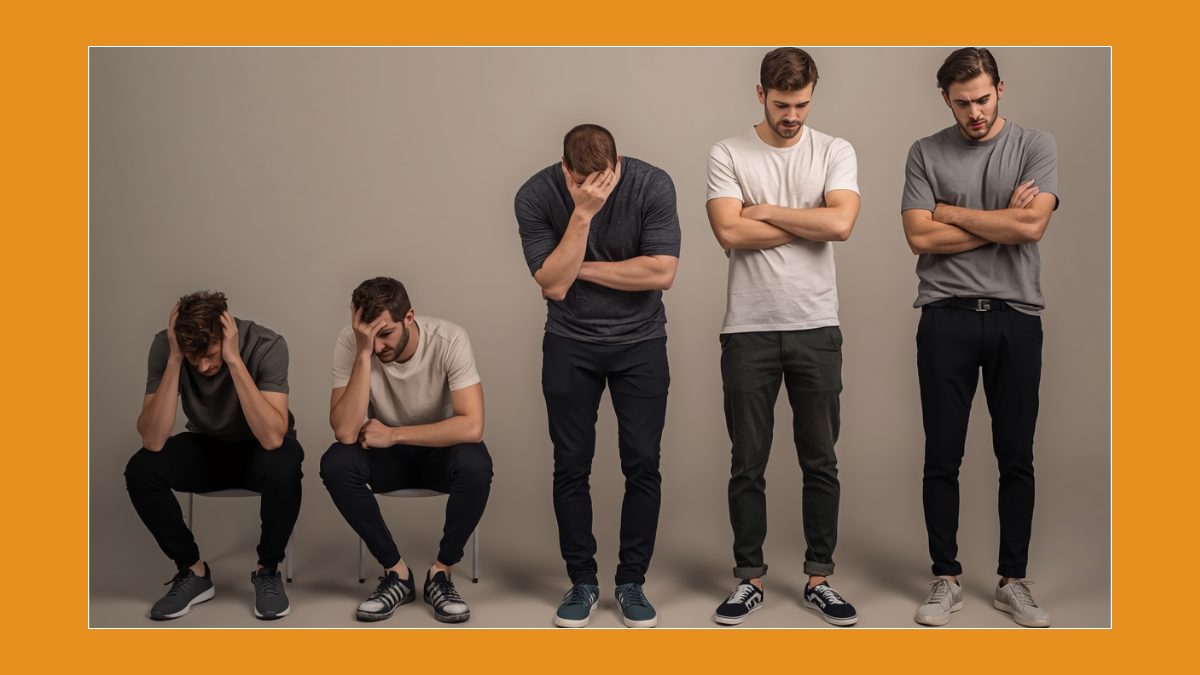
Stress is not a weakness. It is a biological response that has kept humans alive for thousands of years. The problem in 2026 is that the same system designed for short-term survival threats is being triggered continuously by emails, deadlines, financial pressure and social comparison.
The best stress management habits for men in 2026 work by addressing the physiological response to stress rather than simply trying to think differently about it. Breathing techniques, physical movement, sleep consistency, social connection and deliberate recovery all produce measurable reductions in stress hormones and genuine improvements in daily function. None of them require a therapist, a meditation retreat or significant time commitment to start producing results.
Here is what actually works.
Why Men Handle Stress Differently
Men tend to manage stress through action and distraction rather than through expression and processing. This is not inherently wrong but it does mean that the most effective stress management strategies for men need to be action-oriented and practically framed rather than emotionally focused. Men are more likely to adopt a breathing technique if it is framed as a performance tool than as an emotional regulation practice. The outcome is the same. The framing matters.
Several patterns specific to men create particular stress vulnerabilities in 2026:
The suppression pattern. Men are still significantly more likely than women to suppress stress responses rather than acknowledge them, which leads to chronic low-level physiological stress activation even when the conscious experience feels managed.
The disconnection pattern. Social connection is one of the most effective stress buffers available and men in 2026 consistently report smaller and less emotionally available social networks than women of the same age.
The performance identity pattern. Many men tie their sense of worth closely to performance at work, in fitness or in relationships. When any of these areas experiences difficulty, the stress response is amplified by the identity threat element alongside the practical challenge.
Understanding these patterns is not about changing who you are. It is about knowing which levers produce the most effective results for the specific way stress tends to operate for men.
What Stress Actually Does to the Body
Chronic stress elevates cortisol levels, which suppresses testosterone production, disrupts sleep architecture, increases fat storage particularly around the abdomen, impairs immune function and reduces cognitive performance across focus, memory and decision-making. A man under chronic stress is not performing at his physical or mental ceiling regardless of how disciplined his training and nutrition are.
The practical consequences most men notice:
Sleep quality declines because elevated cortisol in the evening prevents the hormonal transition needed for deep restorative sleep. Men under significant stress often find they can fall asleep but wake at 3 or 4am and cannot return to sleep. This is cortisol-driven and responds well to the evening routine practices described in our evening routine for men 2026 guide.
Training recovery slows because cortisol is catabolic and opposes the anabolic processes required for muscle repair and growth. A man who trains consistently but manages stress poorly will recover more slowly and progress more slowly than his training volume and nutrition should produce.
Decision-making quality degrades under chronic stress through a well-documented mechanism called cognitive load accumulation. The prefrontal cortex, which governs rational decision-making, becomes less active under sustained cortisol elevation and the more reactive limbic system becomes more dominant.
Testosterone drops. Cortisol and testosterone are produced from the same precursor hormones and chronically elevated cortisol effectively competes with testosterone production. Low testosterone produces fatigue, reduced motivation, decreased libido and reduced muscle-building capacity.
Best Stress Management Habits for Men 2026
Physiological Sigh
The single fastest stress reduction technique available. A double inhale through the nose followed by a long, slow exhale through the mouth. This specific breathing pattern deflates the alveoli in the lungs more completely than a normal exhale and produces an immediate drop in heart rate and cortisol activity. Research from Stanford confirms that two to three physiological sighs produce measurable stress reduction within sixty seconds. It requires no equipment, no practice and no time commitment. It can be done at a desk, in a car or before a meeting without any visible signal to others.
Physical Movement
Exercise is the most powerful and most extensively researched stress management intervention available. It directly metabolises excess stress hormones, stimulates endocannabinoid release, improves sleep quality and reduces the physiological reactivity to subsequent stressors. The dose required is not a full gym session. A twenty-minute walk produces measurable cortisol reduction. The full training programme described in our men’s fitness routine 2026 guide produces significantly greater and more sustained stress resilience when followed consistently.
Sleep Consistency
Inadequate or inconsistent sleep is both a cause and a consequence of chronic stress. Prioritising sleep consistency, specifically maintaining a consistent bedtime and wake time, breaks the cycle. Even one additional hour of quality sleep per night produces measurable improvements in stress reactivity and emotional regulation within two weeks.
Cold Water Exposure
A brief cold shower or cold water immersion produces a rapid stress inoculation effect. The body’s response to the cold stimulus trains the stress response system to activate and resolve more efficiently. Men who use cold exposure consistently report lower baseline anxiety, better stress tolerance in subsequent challenges and improved mood. Thirty to sixty seconds of cold water at the end of a warm shower is the minimum effective dose.
Social Connection
One quality social interaction per day, whether a meaningful conversation with a friend, colleague or family member, produces measurable reductions in stress hormones and increases in oxytocin. This does not require long or emotionally deep interactions. A twenty-minute conversation with a friend about anything you both genuinely enjoy discussing produces the same physiological benefit as a longer emotional processing conversation.
Nature Exposure
Twenty minutes in a natural setting, a park, a tree-lined street, a body of water, produces reductions in cortisol and improvements in mood that are well-documented and surprisingly robust. Urban environments with visual complexity and noise maintain a low-level stress activation that natural environments interrupt. Building a daily twenty-minute walk in a natural setting into the morning or lunch routine is one of the most accessible and most effective stress management habits available.
The Daily Stress Management Routine
Morning:
Begin the morning with the physiological sigh technique before reaching for the phone. Two to three cycles of the double inhale and long exhale sets the physiological tone for the first hour of the day before any external demands have been introduced.
Physical movement within the first ninety minutes. Whether a full training session or a twenty-minute walk, morning movement establishes cortisol metabolism from the start of the day rather than allowing accumulation through a sedentary morning.
For the complete morning structure that incorporates stress management into a productive start, read our morning routine for men 2026 guide.
During the day:
The physiological sigh technique used at the first sign of acute stress, before a difficult conversation, between demanding work blocks or when frustration begins to build, prevents acute stress from compounding into sustained elevation.
A twenty-minute walk at lunch, ideally in a park or any green space available, provides the midday cortisol reset that significantly reduces afternoon stress accumulation.
Limiting news and social media consumption to one or two deliberate sessions per day rather than continuous passive exposure reduces the background stress load that constant external information creates.
Evening:
The evening wind-down routine starting one hour before sleep is the most important single stress management practice in terms of its effect on sleep quality and therefore on the following day’s stress resilience. For the complete evening structure, read our evening routine for men 2026 guide.
Journaling for five minutes before bed on three questions: what went well today, what would I do differently and what am I looking forward to tomorrow. This simple practice processes the day’s stress residue before sleep rather than carrying it into the unconscious processing period of the night.
Lifestyle Changes That Reduce Baseline Stress
Reduce alcohol consumption. Alcohol is the most widely used stress management tool among men and the most counterproductive. It produces temporary relief by suppressing the central nervous system but the rebound effect the following day elevates baseline anxiety and cortisol, creating a cycle where alcohol temporarily relieves the stress it has partly caused. Reducing consumption to one or two units on social occasions rather than using it as a daily decompression tool produces rapid and significant improvements in baseline stress levels and sleep quality.
Address the source rather than managing the symptom. Not all stress is managed best by stress management techniques. Stress arising from a genuinely unsatisfactory work situation, a relationship with chronic conflict or a financial reality that requires structural change is not best addressed by breathing techniques and cold showers. These tools are most effective for the stress created by circumstances that cannot be changed and less effective as the primary response to circumstances that should be changed.
Reduce caffeine after noon. Caffeine has a half-life of five to seven hours in most men. A 3pm coffee still has 50% of its stimulant effect present at 8pm, elevating cortisol and reducing sleep quality. Shifting caffeine cutoff to noon or 1pm produces noticeable improvements in sleep onset time and sleep depth within one week for most men.
Build in genuine recovery. Men who are consistently productive tend to treat rest as an absence of productivity rather than as a requirement for it. Scheduled recovery time, a deliberate activity enjoyed for its own sake rather than for its output, produces genuine physiological rest that recharges the stress response system. What constitutes genuine recovery varies by person but consistently involves engagement in something pleasurable without performance pressure.
When Stress Becomes Something More Serious
Chronic stress that does not respond to the habits described above, that has persisted for more than several weeks and that is affecting daily function, relationships or physical health warrants professional support. There is no performance value in managing alone what a professional can meaningfully help with. Speaking to a GP about chronic stress, fatigue or mood is a practical decision, not a vulnerability.
The signs that suggest professional support is warranted:
Sleep disruption that persists despite consistent sleep hygiene practices. Persistent low mood that does not lift with movement, social connection or the other interventions described. Physical symptoms including persistent headaches, digestive issues or chest tightness that have no other identified cause. Withdrawal from social contact or activities previously enjoyed. Increasing reliance on alcohol, food or other substances as the primary coping mechanism.
These signs do not indicate weakness. They indicate that the physiological stress load exceeds what behavioural interventions alone can address and that additional support would produce better outcomes faster.
FAQs
Q: What is the best way for men to manage stress in 2026? A: The most effective combination is physical movement (even a twenty-minute walk), sleep consistency, the physiological sigh breathing technique for acute stress moments, limiting alcohol use as a coping tool and maintaining at least one quality social interaction daily. These five habits address the physiological stress response directly and produce measurable results within two to three weeks of consistent practice.
Q: Does exercise reduce stress for men? A: Yes, significantly and through multiple mechanisms. Exercise directly metabolises excess stress hormones, stimulates endocannabinoid release that produces mood improvement, improves sleep quality and builds long-term stress resilience. Even moderate exercise such as a twenty to thirty minute walk produces measurable cortisol reduction. A consistent training programme produces the most significant and lasting stress resilience improvements.
Q: How does stress affect men’s bodies? A: Chronic stress elevates cortisol which suppresses testosterone, disrupts sleep, slows training recovery, impairs decision-making, increases abdominal fat storage and reduces immune function. The combination of these effects means a chronically stressed man is not performing at his physical or mental ceiling regardless of how well other aspects of his lifestyle are managed.
Q: What is the physiological sigh and does it work? A: A double inhale through the nose followed by a long exhale through the mouth. It works by more completely deflating the alveoli in the lungs, triggering the parasympathetic nervous system response that reduces heart rate and lowers cortisol activity. Research from Stanford University confirms it produces the fastest reduction in acute stress of any breathing pattern tested. Two to three cycles produce noticeable results within sixty seconds.
Q: Should men meditate to manage stress? A: Meditation is effective for stress management but not uniquely so. The physiological sigh, physical movement, nature exposure and social connection all produce comparable or superior stress reduction for men who find meditation difficult to adopt or maintain. The most effective stress management practice is whichever one is actually done consistently. For men who resist traditional meditation, the action-oriented alternatives described above produce equivalent results through different mechanisms.
Final Thoughts
Stress management for men in 2026 is not about becoming less ambitious, less driven or less engaged with the challenges of life. It is about maintaining the physiological capacity to perform well, recover properly and sustain the effort required over years rather than months. The habits described above take less than thirty minutes per day collectively and produce returns that accumulate throughout every area of life they touch.
For the complete picture on men’s daily habits, fitness, grooming and lifestyle, explore beingover.com and find everything in one place.






No Comments