



A capsule wardrobe sounds like a fashion concept. In practice it is a practical system that eliminates the daily problem of having a wardrobe full of clothes and nothing that works together.
A men’s capsule wardrobe in 2026 is a curated set of 20 to 25 pieces that combine into more than 30 outfit combinations across every occasion a man actually faces. The pieces are neutral in colour, versatile in use and chosen at the highest quality affordable within the budget. The goal is not a small wardrobe. It is a wardrobe where everything works.
Here is how to build it properly.
What a Capsule Wardrobe Actually Does for a Man
A capsule wardrobe eliminates the primary frustration of dressing: the experience of standing in front of a wardrobe full of individual items that do not work together and arriving at the conclusion that there is nothing to wear. It solves this by replacing a large collection of disconnected items with a small collection of deliberately chosen ones where every item was selected partly because of how it interacts with every other item already present.
The practical benefits compound over time:
Getting dressed takes significantly less time and produces significantly less cognitive friction. When every item in the wardrobe works with every other item, the number of decisions required to produce a coherent outfit drops from dozens to three or four.
Spending on clothing typically decreases over time even though quality per item increases. When every purchase is made deliberately to fill a specific gap, impulse spending on items that do not integrate with the rest of the wardrobe stops naturally.
The overall standard of how a man presents himself improves consistently because the pieces remaining after a capsule build are the best fitting, best quality and most versatile items he owns rather than the accumulated remnants of years of mixed quality purchasing.
For how a capsule wardrobe connects with a minimalist approach to style more broadly, read our men’s minimalist style 2026 guide.
The Rules That Make a Capsule Wardrobe Work
Rule 1: Every piece must work with at least three others already in the wardrobe.
Before any item is purchased or retained after an audit, count how many complete outfits it creates when combined with existing pieces. If the answer is fewer than three, the piece is too specific or too disconnected to earn its place. This rule prevents the accumulation of occasional pieces that fragment the coherence of the system.
Rule 2: Neutral colours only as the foundation.
White, cream, grey, charcoal, black, navy, camel and olive. These eight tones create a foundation where any combination of top and bottom is automatically coherent. One or two accent pieces in a slightly bolder tone add personality without breaking the system because they are anchored on either side by neutrals.
Rule 3: Quality is non-negotiable at anchor pieces.
The coat, the boots, the blazer and the watch are the pieces most visible and most frequently worn. These receive the largest investment. Basics like tees and socks can be replaced at a lower price point more frequently without compromising the overall standard.
Rule 4: The one in, one out rule from day one.
From the moment the capsule is established, every new piece entering the wardrobe requires an existing piece to leave. This discipline prevents the gradual drift back toward a cluttered wardrobe that undermines the original work of the build.
Rule 5: Fit takes priority over everything else.
A capsule wardrobe in which every piece fits perfectly looks significantly better than one containing more expensive pieces that do not. Budget for tailoring on key pieces. Treat fit as part of the cost of the item, not an optional upgrade.
The Complete Men’s Capsule Wardrobe List 2026
Tops (8 pieces)
Three quality crew neck tees in white, grey and navy. Mid weight cotton or merino. Well fitted. These three pieces are the foundation of every casual and layered outfit in the capsule.
Two Oxford cloth button down shirts in white and light blue. These bridge smart casual and more formal contexts and layer effectively under knits and blazers.
One quality polo shirt in navy or olive. Smart casual anchor for warmer months and casual evenings.
One crew neck or roll neck knit in camel or mid grey. Mid weight, quality wool or merino. The most used autumn and winter piece.
One linen or lightweight casual shirt in white or sand. Summer and warm weather anchor piece.
Bottoms (5 pieces)
Two pairs of straight leg jeans in dark wash and mid wash. Dark for smart casual crossover, mid wash for purely casual contexts.
Two pairs of chinos in beige and grey. The smart casual anchors that bridge the jeans and tailored trouser registers.
One pair of tailored straight trousers in charcoal or navy. For occasions that require a step above chinos.
Outerwear (4 pieces)
One long coat in camel or charcoal. The defining outer layer piece for autumn and winter and the single most impactful style investment in the capsule.
One unstructured blazer in navy or grey. The smart casual multiplier that elevates every outfit beneath it.
One quality overshirt or light jacket in olive or rust. Transitional layer for spring and autumn. Works as a casual outer layer in milder temperatures.
One packable lightweight jacket for travel and mild weather. Technical fabric, neutral colour, packs small.
Footwear (4 pieces)
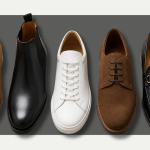
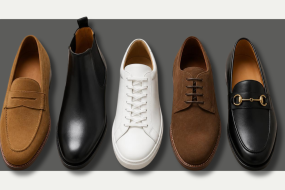
One pair of Chelsea boots in black leather. Smart casual to formal anchor across autumn and winter.
One pair of clean white leather sneakers. Casual to smart casual anchor across all seasons.
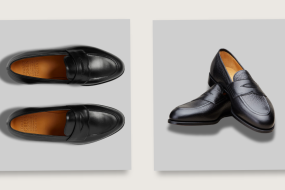
One pair of leather loafers in tan or brown. Smart casual and summer elevation piece.
One pair of leather sandals or casual summer shoes for warm weather.
Accessories (3 pieces plus grooming)
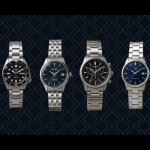
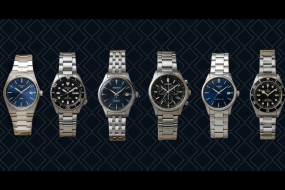
One quality watch appropriate to the formality range of the wardrobe. For the full guide, read our best watches for men 2026 guide.
One leather belt in tan or brown. Connects footwear to bottoms across all smart casual and above outfits.
One quality scarf in wool or cashmere blend. Grey or camel. Autumn and winter utility and style piece.
How to Build Your Capsule Wardrobe Step by Step
Step 1: Audit everything you currently own.
Bring every item out of the wardrobe. Every top, bottom, layer, shoe, belt and bag. Lay them out by category. This process is uncomfortable and illuminating in equal measure. It reveals what you actually own, what duplicates exist, what has been kept out of guilt rather than use and what genuine gaps the current wardrobe has.
Step 2: Apply a honest keep or remove test to every item.
Each item answers one question: does this fit well, sit within a neutral colour palette and combine with at least three other items currently on the keep pile? Yes means keep. Anything else means remove. Uncertain is not a category. If genuine doubt exists, remove.
Step 3: Identify gaps in the remaining pieces.
After the audit, the gaps are visible. Perhaps there is no quality coat. Perhaps every trouser is jeans. Perhaps footwear is limited to one pair of worn-out trainers. These gaps are the priority purchase list, in order of how frequently the missing item type would be worn.
Step 4: Budget and prioritise.
Assign a realistic budget to each gap piece. The coat and boots receive the highest budget because they carry the most visual weight and last the longest. Tees and basics receive the lowest budget and get replaced more frequently. Buy the highest priority gaps first and resist filling all gaps in a single shopping trip.
Step 5: Buy deliberately over three to six months.
A capsule wardrobe built slowly is always better than one built in a weekend. Each new piece can be assessed against what already exists before purchase, fitted properly and confirmed to earn its place before money is committed.
Pro tip: Before buying any new capsule piece, put on three complete outfits using the proposed new item combined with existing pieces. If three strong outfits emerge naturally, the piece earns its place. If they require effort or feel forced, the item is not right for the capsule regardless of how good it looks on its own.
Step 6: Review and refresh once per year.
A capsule wardrobe is not static. Items wear out, lifestyle changes and priorities evolve. A brief annual audit, typically at the season change, removes items that have deteriorated, identifies any new gaps and maintains the level of quality and coherence that the original build established.
How to Make 30 Outfits from 20 Pieces
The capsule list above produces the following outfit categories naturally:
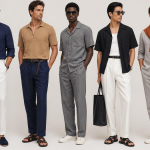
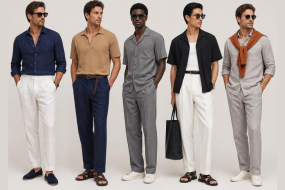
Casual daily outfits: White tee plus dark jeans plus white sneakers. Grey tee plus mid wash jeans plus white sneakers. Navy tee plus dark jeans plus Chelsea boots. Polo shirt plus beige chinos plus loafers. Each combination produces multiple viable outfits through variation alone.
Smart casual outfits: Oxford shirt plus grey chinos plus loafers. Knit plus dark jeans plus Chelsea boots. Blazer over tee plus grey chinos plus Chelsea boots. Polo plus tailored trousers plus loafers. For the complete smart casual guide, read our smart casual outfits men 2026 breakdown.
Layered autumn and winter outfits: Tee plus knit plus overshirt plus Chelsea boots. Oxford shirt under knit plus dark jeans plus Chelsea boots. Tee plus blazer plus long coat plus Chelsea boots. These combinations alone produce more than ten distinct outfits across the cooler months.
Summer and warm weather outfits: Linen shirt over tee plus linen or chino shorts plus sandals. Plain tee plus beige chinos plus loafers. Polo plus mid wash jeans plus white sneakers. The summer version of the capsule produces a similar number of combinations with the lighter weight seasonal pieces.
Occasion and elevated outfits: Blazer over Oxford shirt plus tailored trousers plus Chelsea boots. Blazer over knit plus chinos plus loafers. Overshirt over tee plus dark jeans plus Chelsea boots for a more casual occasion. These three combinations cover dinners, events and smarter contexts without requiring additional pieces beyond what the capsule already contains.
For how specific seasonal outfit combinations work within the capsule framework, read our casual outfits men 2026 and fall outfits men 2026 guides.
Capsule Wardrobe Mistakes Men Make
Building the capsule from scratch with a large single-trip purchase rather than auditing and building from the existing wardrobe. Most men already own several capsule-worthy pieces among the accumulated clothing they have. Ignoring these and buying all new pieces wastes money and misses the actual foundation already present. The fix is always audit first, gap-fill second.
Buying trend pieces in non-neutral colours because they look appealing in isolation. A striking emerald green jacket bought during a capsule build creates one outfit when it works and eleven pieces it cannot be combined with. The fix is the neutral palette rule applied without exception until the foundation is complete. Accent pieces come after the neutral foundation is established.
Skimping on anchor pieces to stay within a tight overall budget. A cheap coat that does not fit well or does not hold its shape beyond one season undermines the entire capsule because it is the most visible piece in the system. The fix is to extend the timeline and save longer for anchor pieces rather than buying inferior versions immediately.
Applying the capsule concept to clothing only and leaving footwear, accessories and grooming at their previous standard. A beautifully curated clothing capsule on a man with mismatched shoes, no watch and an ungroomed appearance does not produce the intended result. The capsule works as a complete system or it does not work fully. The fix is to include footwear and accessories in the capsule build from the start.
FAQs
Q: How many pieces does a men’s capsule wardrobe need in 2026? A: Between 20 and 25 pieces cover every occasion for most men. This typically includes 8 tops, 5 bottoms, 4 outer layers, 4 pairs of footwear and 3 accessories. The exact number matters less than the coherence and versatility of the pieces chosen. A capsule of 18 perfectly chosen pieces outperforms one of 30 pieces with insufficient cohesion.
Q: What is the most important piece in a men’s capsule wardrobe? A: The long coat. It is the most visible piece, carries the most visual weight in autumn and winter when it is worn daily, and has the greatest impact on how the entire outfit beneath it reads. A quality long coat in camel or charcoal elevates every outfit it covers and communicates the same level of taste and intention as any other single purchase in the wardrobe.
Q: How long does it take to build a men’s capsule wardrobe? A: Three to six months of deliberate gap-filling produces a complete and functional capsule. The audit and initial assessment can be done in an afternoon. The subsequent purchasing, done slowly and deliberately with proper research and fitting, works best spread over a season. Rushing the build produces a wardrobe assembled quickly rather than one curated thoughtfully.
Q: Can a men’s capsule wardrobe include colour? A: Yes, within limits. A neutral foundation of white, grey, navy and black supports one or two accent pieces in a slightly bolder tone without breaking the coherence of the system. An olive overshirt, a camel coat or a burgundy knit all add personality while remaining versatile enough to combine with the neutral foundation pieces. More than two accent tones in a capsule creates the combination problem the capsule is designed to eliminate.
Q: How is a capsule wardrobe different from a minimalist wardrobe? A: The terms overlap significantly. A capsule wardrobe refers specifically to the practice of curating a small, versatile and cohesive collection of pieces. A minimalist wardrobe refers to a broader aesthetic and lifestyle approach to possessions. In practice, a well-executed capsule wardrobe produces the functional benefits of minimalist dressing without requiring the broader lifestyle philosophy. Both produce a wardrobe where everything works together. The capsule is a system. Minimalism is an approach.
Final Thoughts
A men’s capsule wardrobe in 2026 is not a fashion statement or an Instagram concept. It is a practical system that produces better outfits with less effort, lower annual clothing spend and a consistently higher standard of personal presentation than a wardrobe built without a system. Start with the audit. Establish the palette. Fill gaps slowly. Apply the rules consistently. The results compound.



No Comments